The 11 PM email. The missed dinner with family. The Sunday that feels like Monday. Across India’s cities, from Ludhiana’s industrial hubs to Jammu’s emerging corporate sector, professionals are achieving more than ever before. But beneath the LinkedIn celebrations and quarterly targets lies an uncomfortable truth: your body is keeping score, and the bill is coming due in hormones, not rupees.
Workplace stress in India isn’t just about tight deadlines anymore. It’s about the 45-year-old marketing director whose periods have become unpredictable, the 32-year-old entrepreneur whose libido has vanished, the 28-year-old consultant who’s gained 15 kilos despite “eating less.” These aren’t separate problems. They’re all chapters in the same story, one where chronic stress rewrites your body’s hormonal blueprint.
India’s Stress Epidemic: By the Numbers
Recent studies reveal that nearly three-quarters of working Indian women and over half of male professionals report high stress levels, with work-life imbalance as the primary culprit. The 21-40 age group faces particular vulnerability, caught between career ambitions, family expectations, ageing parents, and rapidly shifting social norms.
For women, the burden doubles. Professional responsibilities layer atop traditional home roles, creating what researchers call “role overload”, a state of perpetual exhaustion that quietly erodes health, job satisfaction, and mental well-being.
Men face their own silent battle. Cultural expectations around providing financially, combined with stigma against expressing emotional struggle, create a hidden crisis. What manifests as irritability, insomnia, or persistent headaches often masks deeper hormonal disruption that goes unacknowledged and untreated.
When Stress Becomes Chemistry
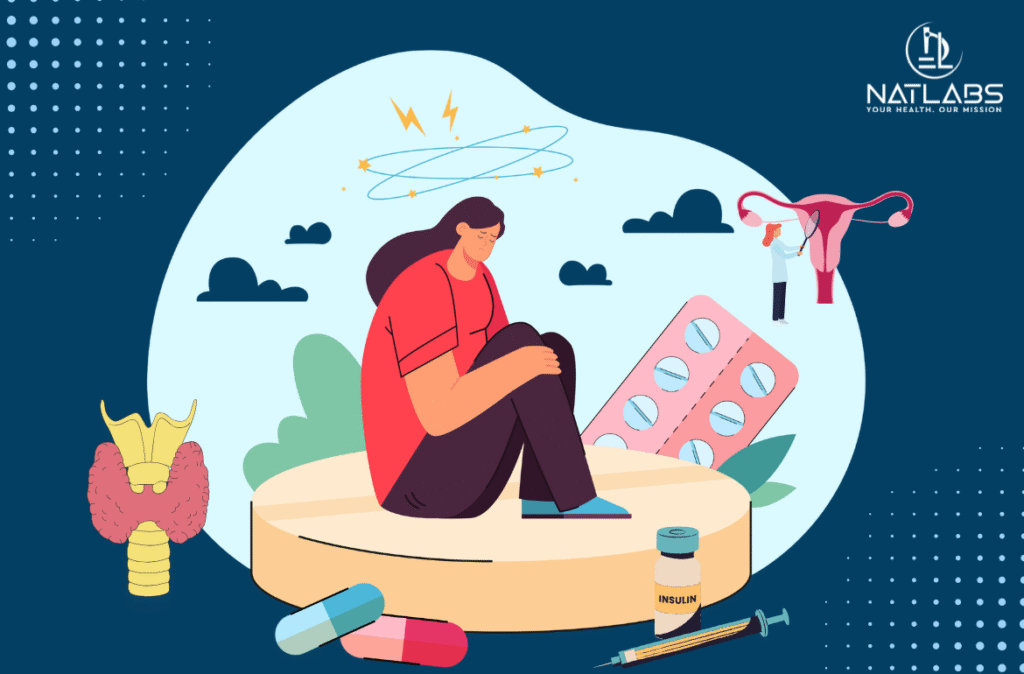
Your body wasn’t designed for permanent crisis mode. The stress response, brilliant for escaping predators, becomes destructive when activated by daily commutes, impossible deadlines, and endless notifications. Chronic stress floods your system with cortisol, the primary stress hormone, which then cascades through your endocrine system like a stone thrown into still water.
Testosterone plummets in both men and women, draining energy, dampening libido, encouraging weight gain around the midsection, and destabilising mood. That unexplained fatigue isn’t laziness, it’s biochemistry.
Oestrogen and progesterone decline in women under chronic stress, triggering irregular menstrual cycles, fertility challenges, premature menopausal symptoms, and increased bone density loss. The hot flushes and mood swings blamed on “hormones” are indeed hormonal, but stress is pulling the strings.
Thyroid function destabilises, swinging toward either hyperactivity or underactivity. Weight fluctuations, metabolic changes, anxiety, and depression that seem to appear from nowhere often trace back to stress-induced thyroid disruption.
Insulin sensitivity decreases, pushing blood sugar higher and setting the stage for Type 2 diabetes, particularly dangerous when combined with irregular eating patterns common among busy professionals.
Melatonin production falters under the assault of late-night screen time and persistent mental activation, creating sleep problems that compound every other hormonal imbalance.
The Physical Invoice
These hormonal shifts don’t stay invisible. Unexplained weight gain clusters around your abdomen. Persistent tiredness that sleep doesn’t resolve. Muscle aches without an obvious cause. Hair thinning or falling. Digestive problems that mystify gastroenterologists. Frequent infections occur as immunity weakens. Persistent low mood dismissed as “just a rough phase.”
These symptoms arrive not as dramatic health crises but as a gradual erosion, easy to dismiss individually, devastating in aggregate. Most concerning: they’re often normalised as the “cost of success” rather than recognised as a treatable physiological disruption.
Making the Invisible Visible: The Diagnostic Advantage
Here’s where NATLABS’ 34 years of diagnostic excellence transform abstract concerns into actionable intelligence. Our comprehensive stress and hormonal health panels reveal what your body is experiencing long before major disease develops:
Cortisol profiling through precisely timed blood or saliva tests maps your stress response patterns, identifying adrenal fatigue, burnout risk, or underlying mood disorders before they become crises.
Complete thyroid panels (TSH, T3, T4) distinguish between actual thyroid dysfunction and symptoms that merely mimic it, ensuring you receive appropriate treatment rather than managing the wrong problem.
Comprehensive hormone assays measuring testosterone, oestrogen, progesterone, and prolactin explain changes in energy, sexual function, menstruation, mood, and metabolism that otherwise remain mysterious.
Metabolic markers, including blood glucose, HbA1c, and lipid profile,s reveal how stress is affecting your metabolic health, crucial for professionals with irregular schedules and compromised nutrition.
Inflammatory markers such as CRP identify chronic inflammation driven by sustained stress, a major contributor to cardiovascular disease, obesity, and autoimmune conditions.
Cardiovascular and sleep health assessment,s including heart rate variability and ECG, demonstrates stress’s impact on your heart and recovery capacity.
Micronutrient panels identify deficiencies in vitamin D, B12, magnesium, or iron that amplify fatigue, mood problems, and cognitive decline.
At NATLABS, our NABL-accredited facilities deliver laboratory-quality results with the personalised attention your health deserves. With free home sample collection completed within 30 minutes across Ludhiana, Jalandhar, and Jammu, we’ve eliminated every barrier between you and the answers your body is trying to give you.
From Diagnosis to Recovery
Understanding your hormonal landscape transforms vague malaise into a targeted recovery plan. Evidence-based interventions include:
Redefining boundaries between work and personal life, not as nice-to-have luxuries but as physiological necessities. Flexible scheduling, communication boundaries, and regular digital detoxes aren’t indulgences; they’re protective factors.
Movement and mindfulness practices that demonstrably lower cortisol whilst boosting beneficial hormones. Daily exercise, yoga, and breathing techniques offer measurable hormonal benefits documented through follow-up testing.
Nutritional optimisation prioritising regular, whole-food meals that stabilise blood sugar, combined with targeted supplementation guided by your specific laboratory results rather than internet trends.
Sleep architecture restoration through proper wind-down routines, screen-time boundaries, and prioritising rest as a performance strategy, not a weakness.
Professional support, including counselling, workplace wellbeing programmes, and normalising mental health breaks as standard professional practice.
Reclaim What Ambition Costs
Progressive employers increasingly recognise that burned-out employees benefit no one. Stress management initiatives, remote work options, and mental health support are expanding. But organisational change moves slowly. Personal ownership moves immediately.
With our smart reports making complex biochemistry accessible and our three decades of diagnostic trust, NATLABS gives you the information needed to protect what matters most: the body and mind that fuel your ambitions.
Stress will continue. Pressure won’t disappear. But understanding your body’s response, seeing cortisol levels, thyroid function, and hormonal balance in objective numbers, transforms abstract worry into concrete action.
Your career matters. Your health enables everything else. Book your comprehensive stress and hormonal health profile with NATLABS today, because sustainable success requires sustainable biology.