
March 2026

Blogs

The 30+ Shift: Why Your Body Starts Changing — and How Tests Explain It

Many people notice subtle changes after 30: • Weight gain without dietary change • Lower energy levels • Slower recovery • Hormonal shifts • Sleep disturbances These aren’t random. They’re physiological. What Changes After 30 • Metabolism slows • Hormone levels begin to shift • Muscle mass gradually declines • Insulin sensitivity reduces Why Testing Becomes Essential Without baseline testing, these changes are often misunderstood — or ignored until they worsen. What to Track • Glucose and HbA1c • Lipid profile • Thyroid function • Hormonal levels • Vitamin deficiencies NATLABS’ Preventive 30+ Panels Our comprehensive screening helps you understand your new baseline, not compare yourself to your 20s. Ageing isn’t the problem. Untracked ageing is.
Blogs

Why You Keep Falling Sick: Immunity Is Measurable

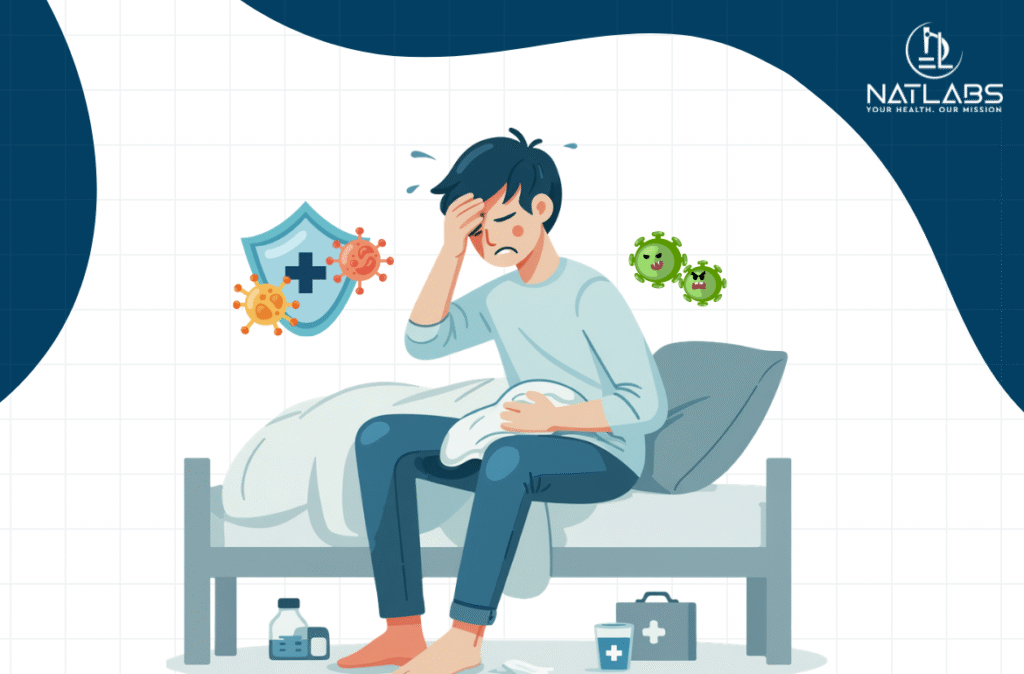
Frequent colds, slow recovery, recurring infections — these are often dismissed as “weak immunity.” But immunity isn’t abstract. It’s influenced by measurable factors. What Weakens Immunity • Vitamin D deficiency • Zinc and magnesium imbalance • Poor sleep and high cortisol • Chronic inflammation • Nutritional gaps What Tests Can Show • Vitamin levels directly linked to immune response • Inflammatory markers indicating chronic stress • Blood counts reflecting immune cell health NATLABS’ Immunity Panels We identify what’s compromising your immune system — so you can correct the cause, not just treat symptoms. Immunity isn’t built overnight. It’s maintained through awareness.

Blogs

Your Liver Has No Nerves — That’s Why It’s Dangerous

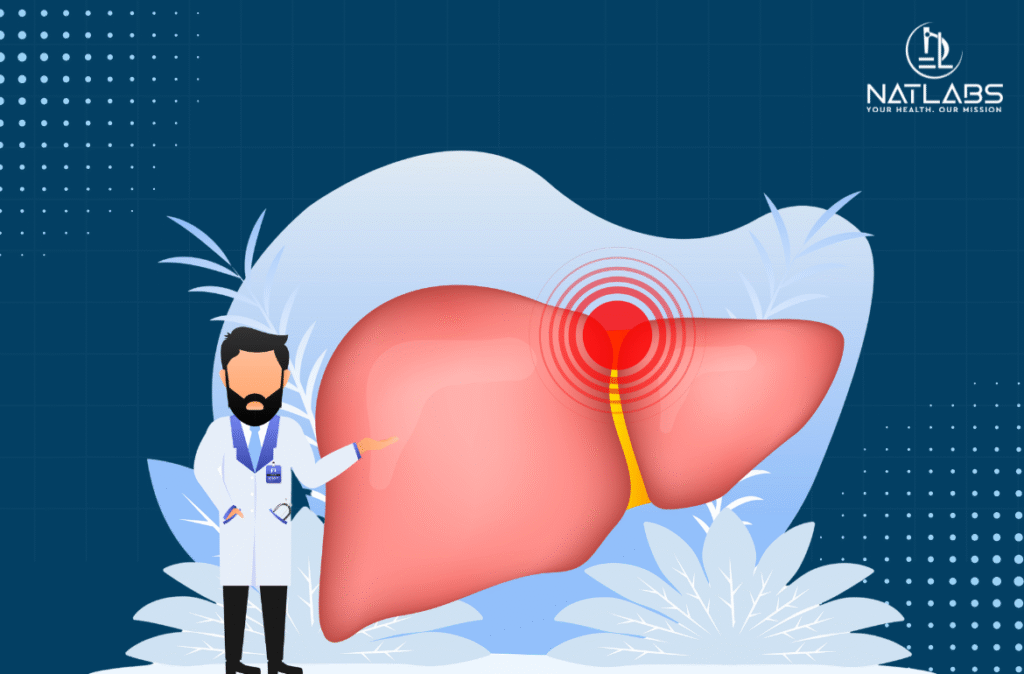
The liver is one of the most vital organs — and one of the quietest. It doesn’t signal distress through pain, which is why damage often goes unnoticed. What Impacts Liver Health Today • Processed foods and high sugar intake • Sedentary lifestyle • Alcohol (even moderate use) • Medication overuse • Metabolic imbalance What Basic Tests Miss Standard liver function tests may remain normal even in early fatty liver stages. What Advanced Testing Shows • Early metabolic stress • Inflammation linked to liver function • Lipid imbalances contributing to fat accumulation NATLABS’ Liver Health Approach We go beyond surface markers to identify early dysfunction, when reversal is still possible. A silent organ needs proactive monitoring.

Blogs

Hair Fall Isn’t Cosmetic — It’s Often Nutritional

Hair fall is one of the most common complaints — and one of the most misunderstood. Shampoos are changed. Oils are tried. Treatments are explored. But the root cause often lies in the bloodstream. Common Underlying Causes • Iron deficiency (even without anaemia) • Low Vitamin B12 • Vitamin D deficiency • Thyroid imbalance • Chronic stress markers Why External Solutions Fail Hair is not a priority tissue for the body. When nutrients are limited, they’re diverted to vital organs — leaving hair growth compromised. NATLABS’ Hair Health Panels Our tests identify internal deficiencies affecting hair cycles, enabling targeted correction instead of trial-and-error treatments. Healthy hair isn’t applied. It’s supported internally.

Blogs

 The Sugar You Don’t See: Why HbA1c Matters More Than Fasting Glucose

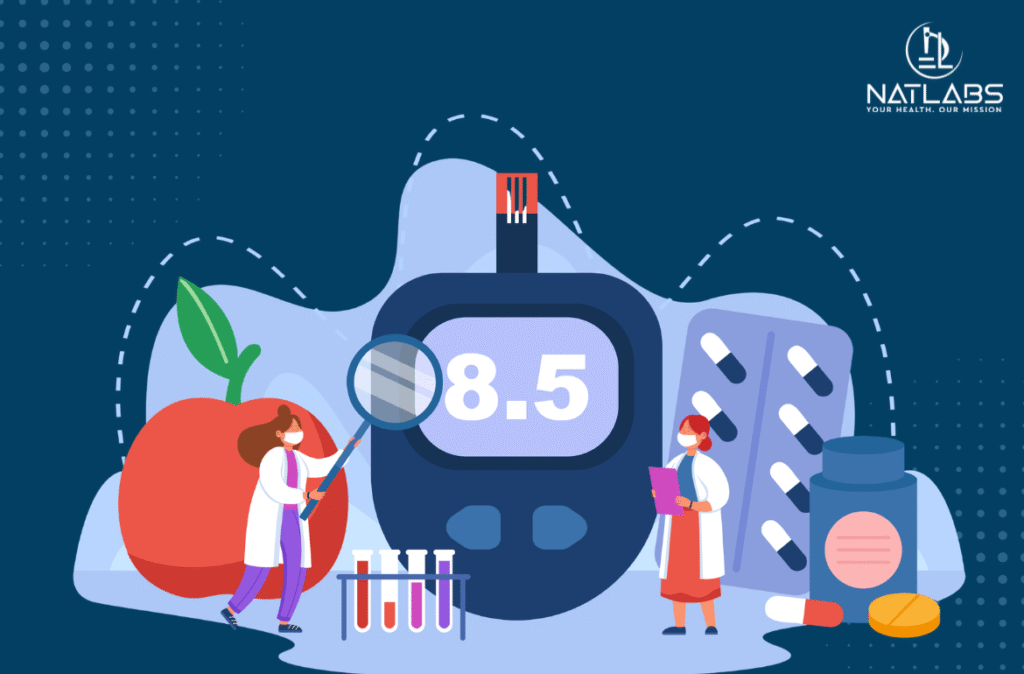
Many people rely on fasting sugar levels to assess diabetes risk. If the number is normal, they assume they’re safe. But blood sugar isn’t static. It fluctuates throughout the day — and fasting glucose captures only one moment. The Hidden Risk You can have normal fasting sugar and still experience: • Post-meal glucose spikes • Early insulin resistance • Pre-diabetes progression What HbA1c Shows HbA1c reflects your average blood sugar over 2–3 months, offering a far more accurate picture of metabolic health. Why This Matters in India High-carb diets, irregular meals, and sedentary lifestyles create glucose spikes that fasting tests often miss. NATLABS’ Glucose Monitoring Panels We combine fasting glucose, HbA1c, and related markers to give a complete glycaemic profile, not partial reassurance. Because what you don’t measure regularly is what progresses silently.

Blogs

Gut Health Isn’t a Trend — It’s a Testable System

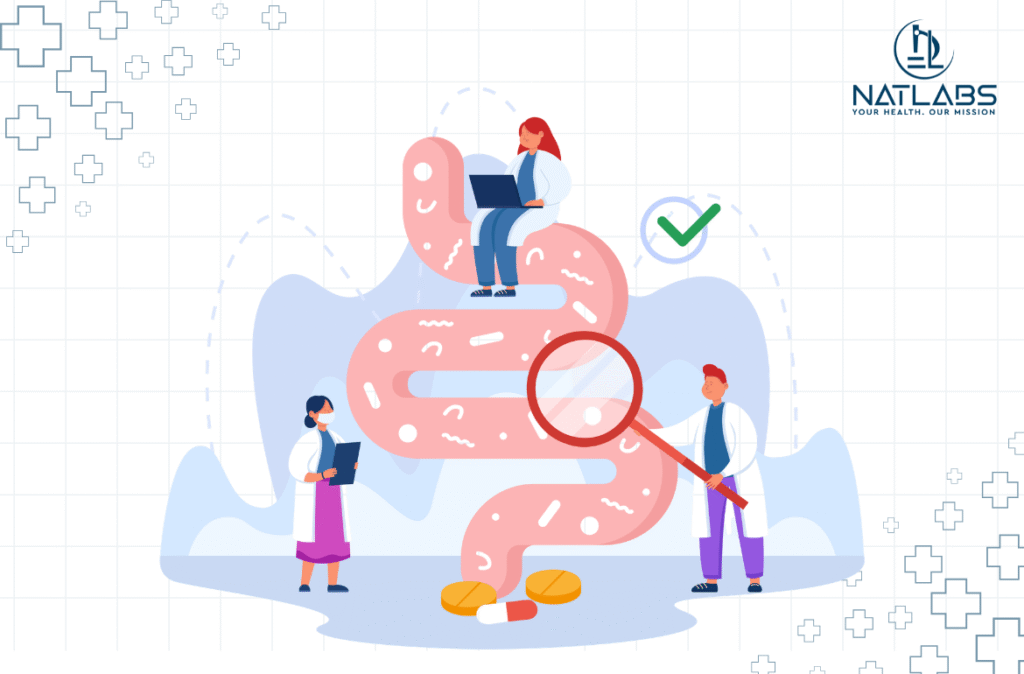
“Gut health” has become a buzzword — probiotics, kombucha, detoxes. But beneath the trend lies something far more precise: your digestive system leaves measurable markers that reflect how well it’s functioning. What Poor Gut Health Actually Looks Like • Bloating after meals • Irregular bowel movements • Nutrient deficiencies despite eating well • Frequent acidity or discomfort • Low immunity These aren’t random issues. They’re signals. What Tests Reveal • Vitamin B12 and iron levels (absorption efficiency) • Inflammatory markers (chronic gut irritation) • Liver enzymes (digestive support function) • Stool analysis (microbiome and infection indicators) NATLABS’ Diagnostic Edge Instead of guessing triggers, our panels identify what’s not being absorbed, what’s inflamed, and what needs correction. Gut health isn’t fixed with trends. It’s fixed with data.

Scroll to Top
Call Now Button